
Installing new sod can quickly transform a bare or struggling lawn, but the success of the new turf depends on more than what happens on installation day. Watering is a critical part of establishing new grass, which makes the condition and design of the property’s irrigation system an important consideration before sod goes down.
Planning irrigation and sod together can help property owners avoid discovering coverage problems after the new lawn has already been installed.
Start With the Watering Foundation
New sod initially has a limited root system and depends on consistent moisture as it begins establishing roots in the soil below. If portions of the lawn receive uneven irrigation, some sections may dry more quickly than others.
Before installation, existing sprinkler systems should be evaluated for coverage. Broken or poorly positioned sprinkler heads, leaks, clogged nozzles, and improperly configured zones can all affect how evenly water reaches the lawn.
Correcting those problems before sod installation is generally more practical than identifying them after a newly installed lawn begins showing inconsistent results.
System Design and Lawn Layout Work Together
Irrigation coverage should correspond to the actual shape and characteristics of the property. Heritage Irrigation evaluates factors such as soil conditions, grade, plant material, water pressure, and individual watering zones when planning irrigation.
Those considerations also matter when preparing a property for sod.
Sloped areas, narrow sections of turf, planting beds, and areas with different sun exposure may not have identical watering needs. Designing irrigation around these differences can provide more targeted coverage than treating the entire property as a single watering area.
Heritage Irrigation offers combined irrigation and sod installation services that include grading and soil preparation along with irrigation system layout and installation. Coordinating these elements allows the watering system and new lawn to be planned as parts of the same project rather than as unrelated improvements.
Think Beyond the First Few Weeks
Although establishing new sod is an immediate priority, irrigation planning should also consider how the lawn will be maintained after the turf becomes established.
Seasonal weather changes mean watering requirements will not remain constant throughout the year. Controllers may require adjustments as temperatures and rainfall change, while sprinkler heads and zones should periodically be checked for proper operation and coverage.
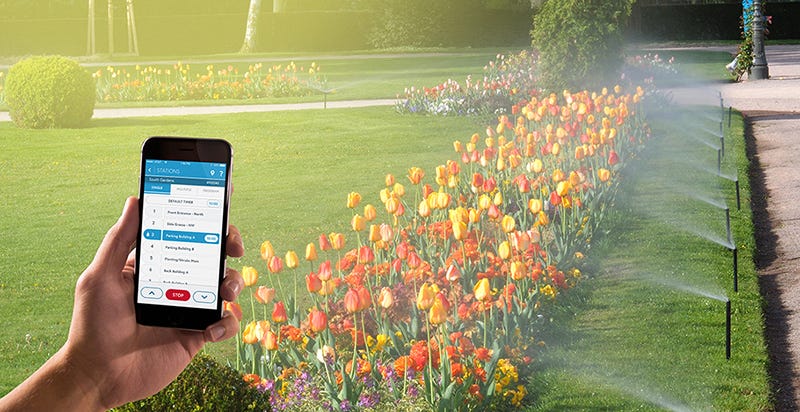
Smart irrigation technology can add another level of control by allowing watering schedules to respond more effectively to changing conditions.
The goal is not simply to provide new sod with enough water during installation. It is to create a lawn and irrigation system that can work together over the long term.
Planning the irrigation system before or alongside sod installation establishes that foundation. With appropriate coverage, system maintenance, and seasonal adjustments, property owners can support new turf without relying on guesswork or attempting to correct preventable irrigation problems after the lawn is already in place.