
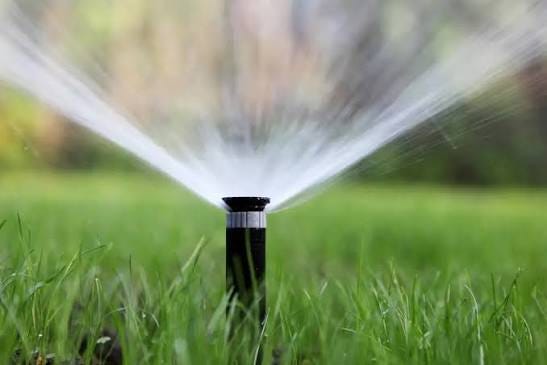
When a sprinkler system stops providing consistent coverage, sprinkler heads are often the first components property owners notice. A head may not spray as far as it once did, an entire zone may appear weak, or certain areas of the landscape may remain dry even though the system is running on schedule.
The sprinkler head itself, however, may not always be the source of the problem. Changes in water pressure can affect how an entire irrigation system performs and may indicate that additional troubleshooting is necessary.
Why Irrigation Pressure Matters
Sprinkler systems depend on appropriate water pressure to distribute water effectively. Aqueduct Irrigation notes that both high and low pressure can create problems. Low pressure can contribute to poor coverage, while excessive pressure can damage sprinkler heads and fittings.
When pressure is inadequate, property owners may notice sprinklers failing to reach their normal distances or portions of a zone receiving less water than others. Simply increasing the amount of time the system runs may not correct the underlying problem.
Professional troubleshooting can help determine whether pressure, a leak, damaged equipment, or another system issue is responsible. More information about irrigation system service and repair is available through https://aqueductirrigation.com/.
Irrigation Pumps Can Also Affect Performance
Properties that obtain irrigation water from a personal water source may rely on an irrigation pump. When these systems experience weak or inconsistent pressure, sediment, or air in the water supply, the pump may require service or replacement.
Identifying the source is important because replacing sprinkler heads will not correct a problem originating elsewhere in the system.
For systems connected to other water sources, technicians can evaluate pressure conditions and determine whether pressure-regulating components or other repairs may be appropriate.
Coverage Problems Can Have Several Causes
Pressure is only one possible reason for inconsistent irrigation. Underground leaks, cracked lateral lines, clogged or damaged components, and improperly positioned sprinkler heads can also affect performance.
This makes system-wide troubleshooting particularly useful when a problem affects multiple sprinklers or repeatedly returns after individual repairs.
Regular irrigation maintenance can help identify some of these issues before they become more noticeable. Seasonal system audits can reveal leaks, non-operating zones, coverage problems, and adjustments that may be necessary as plants grow and weather conditions change.
A sprinkler system should do more than simply turn on at the scheduled time. Water needs to reach the intended areas in appropriate amounts. When pressure or coverage changes, identifying the reason behind the change can lead to a more effective solution than simply watering longer or repeatedly replacing individual components.