
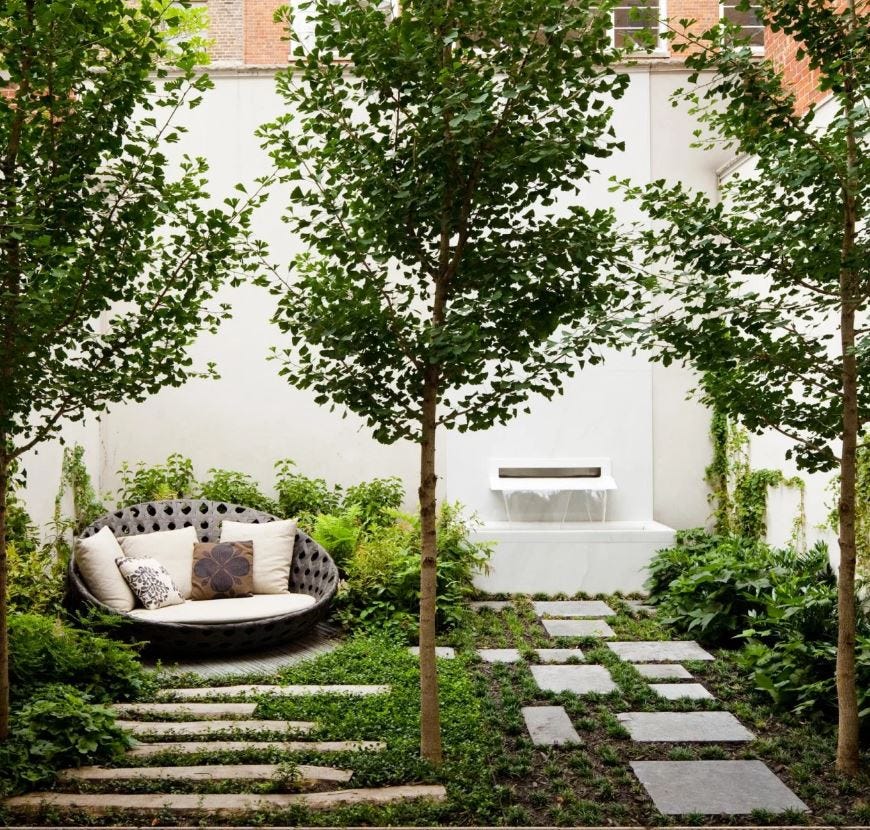
Landscapes rarely remain exactly as they were when an irrigation system was first installed. Trees mature, shrubs become larger, garden beds are redesigned, and property owners add patios, walkways, fences, and other features. While these changes can improve a property, they can also change how effectively an existing irrigation system distributes water.
A system originally designed for an open lawn may not provide the same coverage several years later. Growing plants can block sprinkler spray, while newly landscaped areas may have watering requirements that differ from the turf or plants they replaced. Reviewing irrigation coverage as a property evolves can help keep watering aligned with the landscape’s current needs.
When Sprinkler Placement No Longer Matches the Landscape
Sprinkler heads are positioned according to the layout and watering needs of a property at the time a system is designed. When that layout changes, sprinkler placement may need to change with it.
A new fence or garden bed, for example, may interfere with an existing spray pattern. Mature shrubs can prevent water from reaching areas that were previously unobstructed. A patio or other hardscape addition can also leave sprinklers watering surfaces that no longer require irrigation.
Rather than compensating by increasing watering times, property owners can have the affected zones evaluated. Relocating or adjusting sprinkler heads may improve coverage while reducing unnecessary watering.
Different Landscapes May Require Different Irrigation Methods
Changes in plant material can also affect how a property should be watered. Turfgrass, shrubs, flowers, and other landscape areas do not necessarily have identical irrigation requirements. In some situations, drip irrigation or changes to individual zones can provide more targeted watering than relying on an existing sprinkler configuration.
These considerations can become especially important for a commercial irrigation system, where landscapes may cover larger areas and include multiple types of plantings. Commercial properties also change over time as entrances are redesigned, landscaping is refreshed, or new outdoor features are installed. Periodically reviewing irrigation coverage can help ensure the system continues to match the property.
Treat Irrigation as Part of the Landscape
Irrigation should evolve along with the landscape it supports. When significant changes are made to a property, including the irrigation system in the planning process can help prevent coverage problems later.
Aqua-Bright Irrigation provides irrigation system installation, maintenance, repair, and system modifications for residential and commercial properties. Evaluating existing zones, sprinkler placement, and changing landscape needs can help determine whether adjustments or upgrades are appropriate.
An irrigation system does not necessarily need to be replaced simply because a landscape has changed. In many cases, thoughtful modifications can help an existing system better serve the property while supporting efficient, targeted watering for years to come.